

0 women
Women’s Cancers Affect Millions of Individuals and Families Worldwide
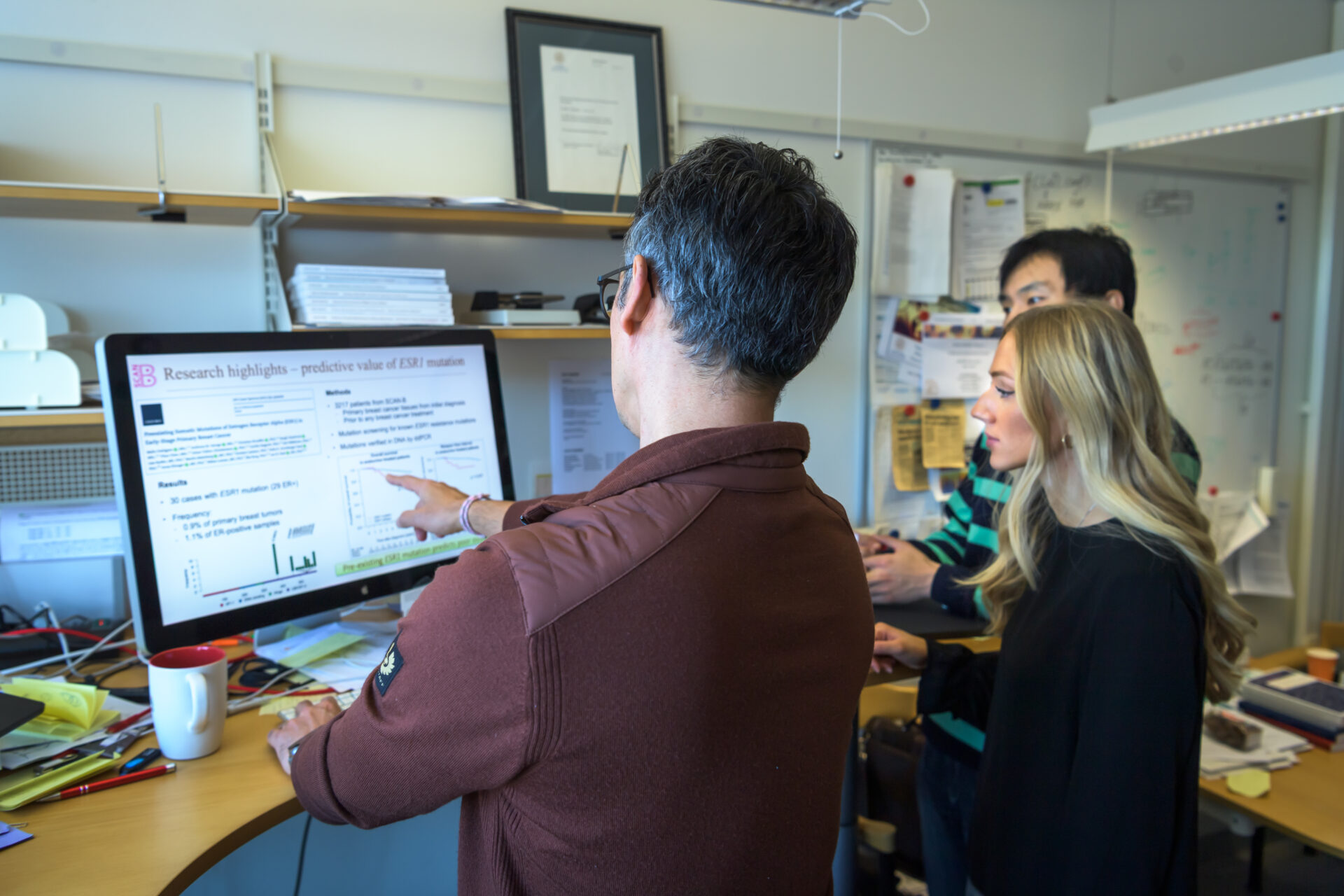
A Major Challenge for Healthcare and Society
Women’s cancers affect millions of individuals and families worldwide and remain a major challenge for healthcare and society. While advances in prevention, diagnostics, and treatment have improved outcomes for many patients, important inequalities in cancer risk, access to care, treatment experiences, survivorship, and quality of life still persist.
Cancer does not affect everyone equally. Social, economic, geographic, and demographic factors can influence when cancer is detected, what treatments are available, participation in clinical trials, mental health, rehabilitation, and long-term outcomes.
On this page, you can learn more about the organizations and resources that support patients and families.
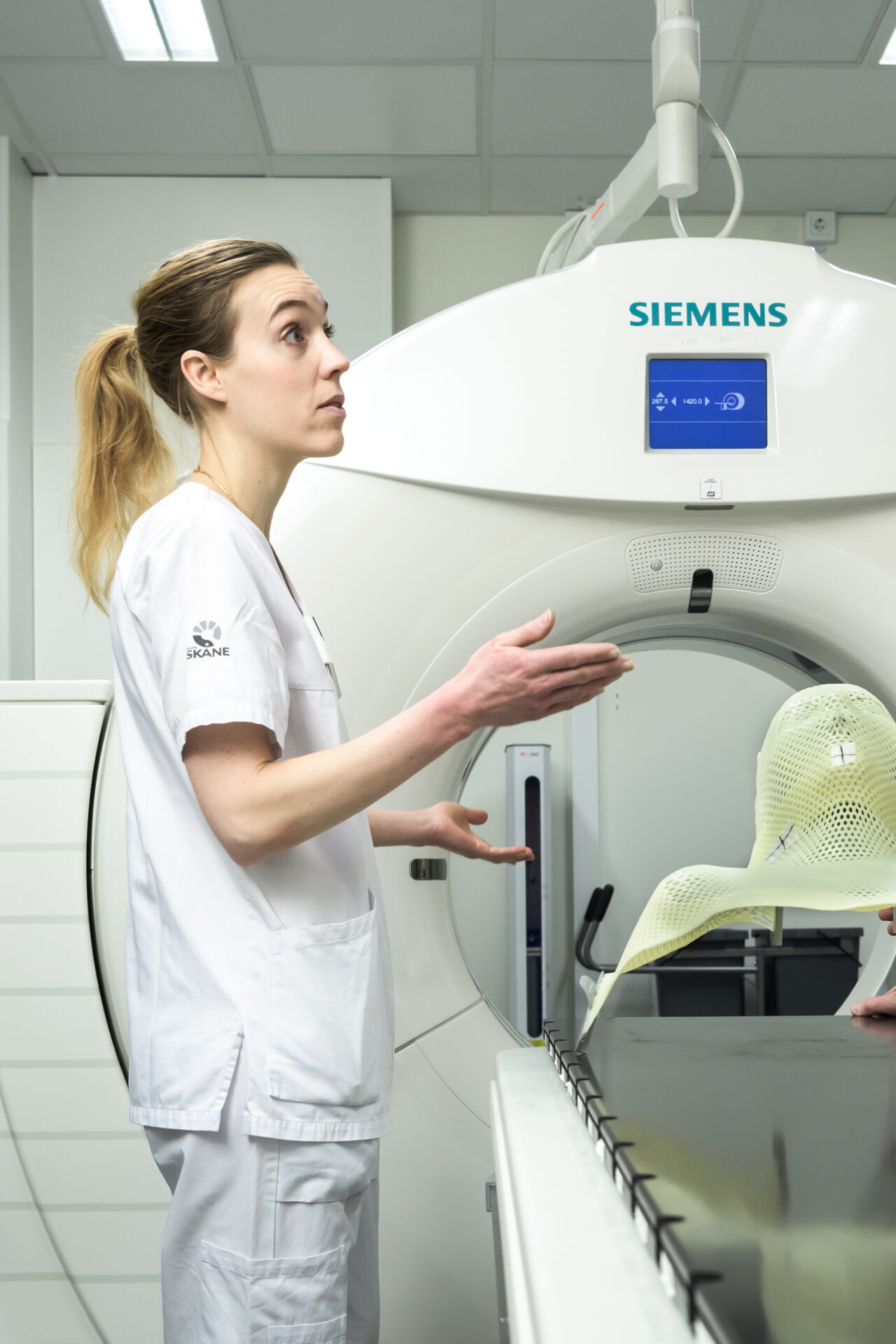
CANCERS
Breast cancer – the most common cancer
Breast cancer is the most common cancer in women worldwide. It develops when cells in the breast grow uncontrollably, most often in the milk ducts or lobules. In early stages, the cancer is confined to its place of origin. When it spreads into surrounding tissue, it becomes invasive and can spread to other parts of the body if untreated.

0 years
Most cases occur in people over 50 years of age, with an average age at diagnosis of around 65
0% alive
About 88% of patients are alive 10 years after diagnosis, reflecting improved detection and treatment
0% > genetic
Around 5–10% of cases are linked to inherited genetic factors, while most are associated with ageing, lifestyle, and environmental factors
get involved
Whether you are a patient, family member, healthcare professional, researcher, student, or part of a patient organization, your perspective can help strengthen how cancer research is shaped, communicated, and translated into practice.
You can get involved by:•following CIRCE’s latest news and research updates •attending public events, talks, and outreach activities •connecting with us through patient organizations and community partners •reaching out if you are interested in dialogue, collaboration, or future activities. You can also follow CIRCE on LinkedIn and Facebook to stay updated on research, news, events, and opportunities to engage with the center. As CIRCE grows, we hope to create more opportunities for engagement with patients, families, advocates, and the wider community. We believe that research is stronger when it is informed by the experiences and priorities of the people it is intended to benefit. If you would like to connect with CIRCE, we welcome you to get in touch through our Contact page.