Workstream 1: Prevention and risk models
Identifying risk factors and building better tools for prevention and early detection.




CIRCE brings together researchers from multiple disciplines to study women’s cancers across the full spectrum of risk, diagnosis, treatment, survivorship, and equity.
Our research combines cancer biology with imaging, epidemiology, genomics, psychology, demography, health economics, and register-based science to better understand not only how cancer develops and is treated, but also how it affects women’s lives, families, and society.
A central strength of CIRCE is the ability to connect large and complementary data sources, including registries, biobanks, clinical data, imaging, and molecular data, and to analyze them from a life-course perspective. This makes it possible to ask questions that cannot be answered within a single discipline or dataset alone.
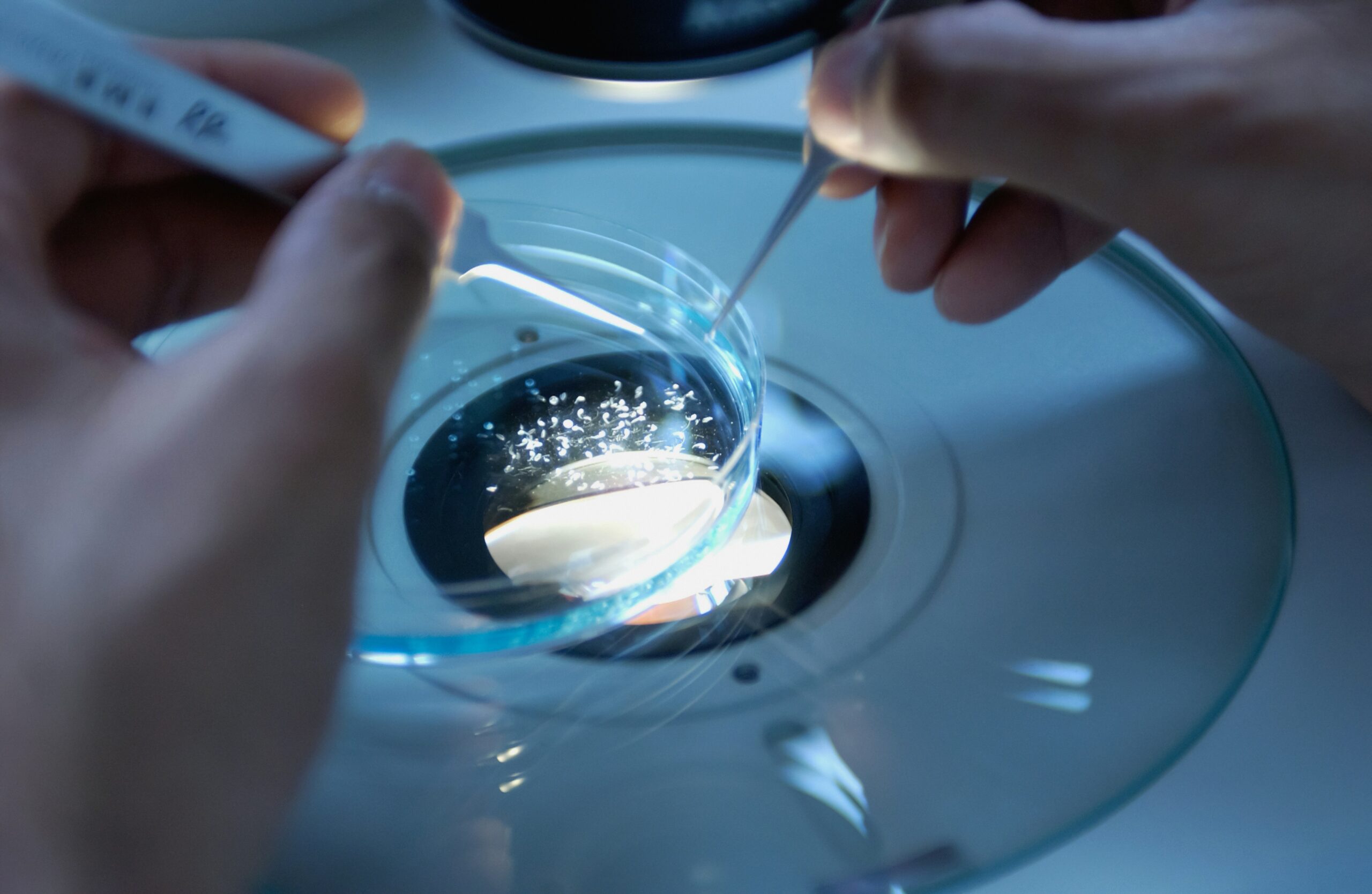
Our research is organized into five interconnected workstreams
Together, these work streams reflect CIRCE’s ambition to generate research that is scientifically strong, clinically relevant, and socially meaningful.
Identifying risk factors and building better tools for prevention and early detection.
Understanding who benefits from treatment, who is harmed, and how care can be made safer and more precise.
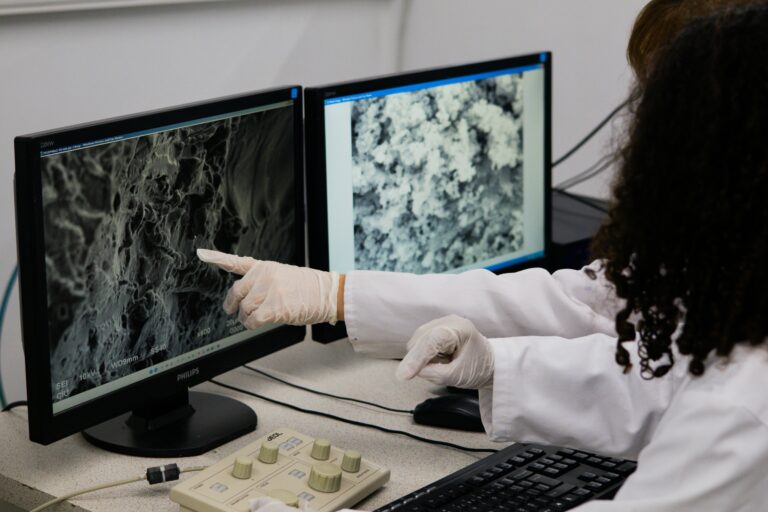
Studying psychological, functional, and economic consequences of cancer, including survivorship and intergenerational effects.

Investigating inequities in access, diagnosis, treatment, rehabilitation, and outcomes, and identifying ways to reduce them.
Building the next generation of researchers and ensuring that new knowledge reaches healthcare, policy, and society.
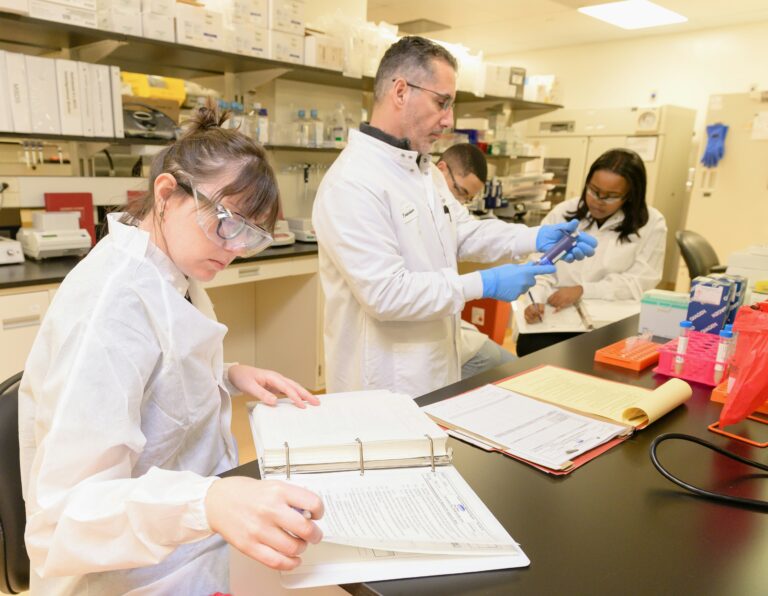
Latest publications
CIRCE researchers produce scientific publications, reports, and other research outputs across a wide range of fields relevant to women’s cancers. These include studies in cancer biology, genomics, imaging, psychology, epidemiology, survivorship, and health equity, as well as interdisciplinary work that bridges these areas. Our publications section will highlight both recent outputs and selected key papers that reflect the breadth and aims of CIRCE’s research.